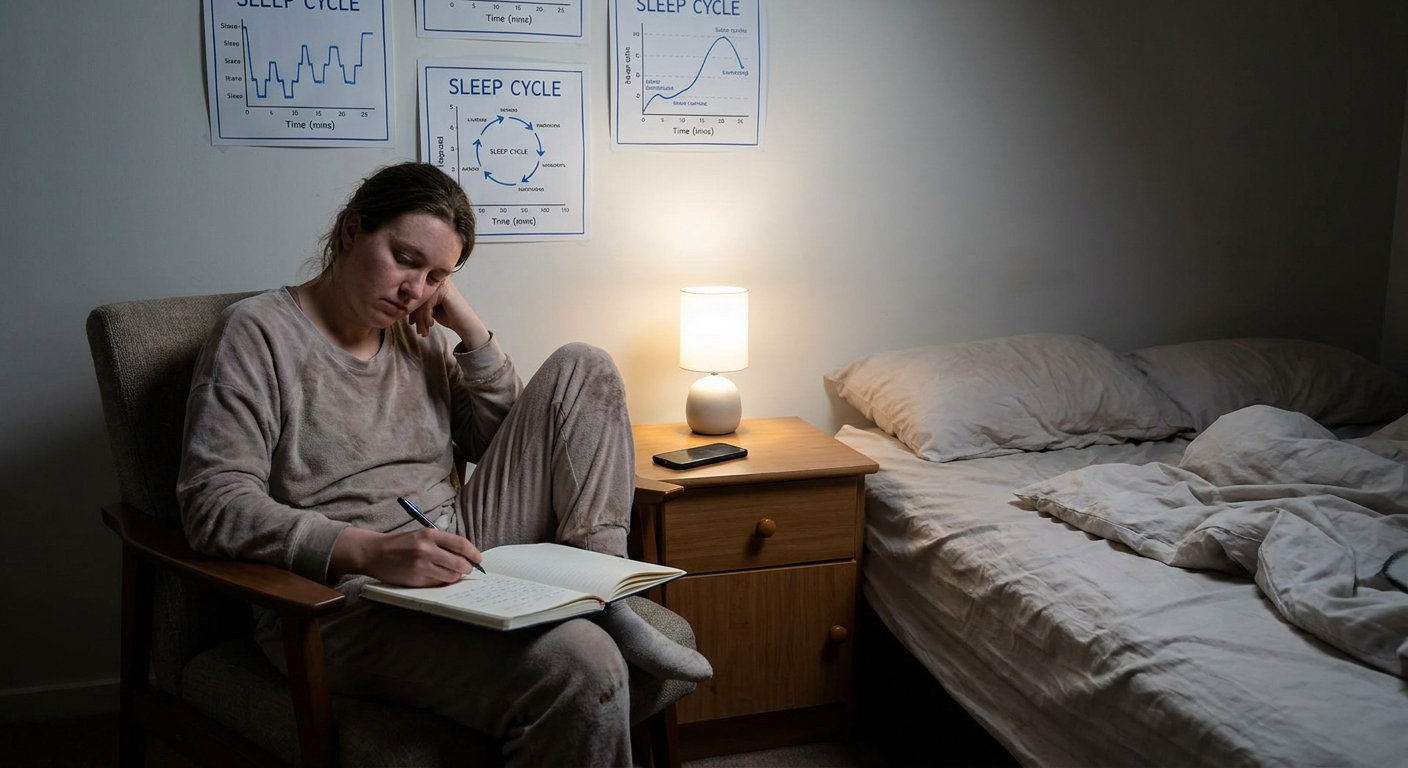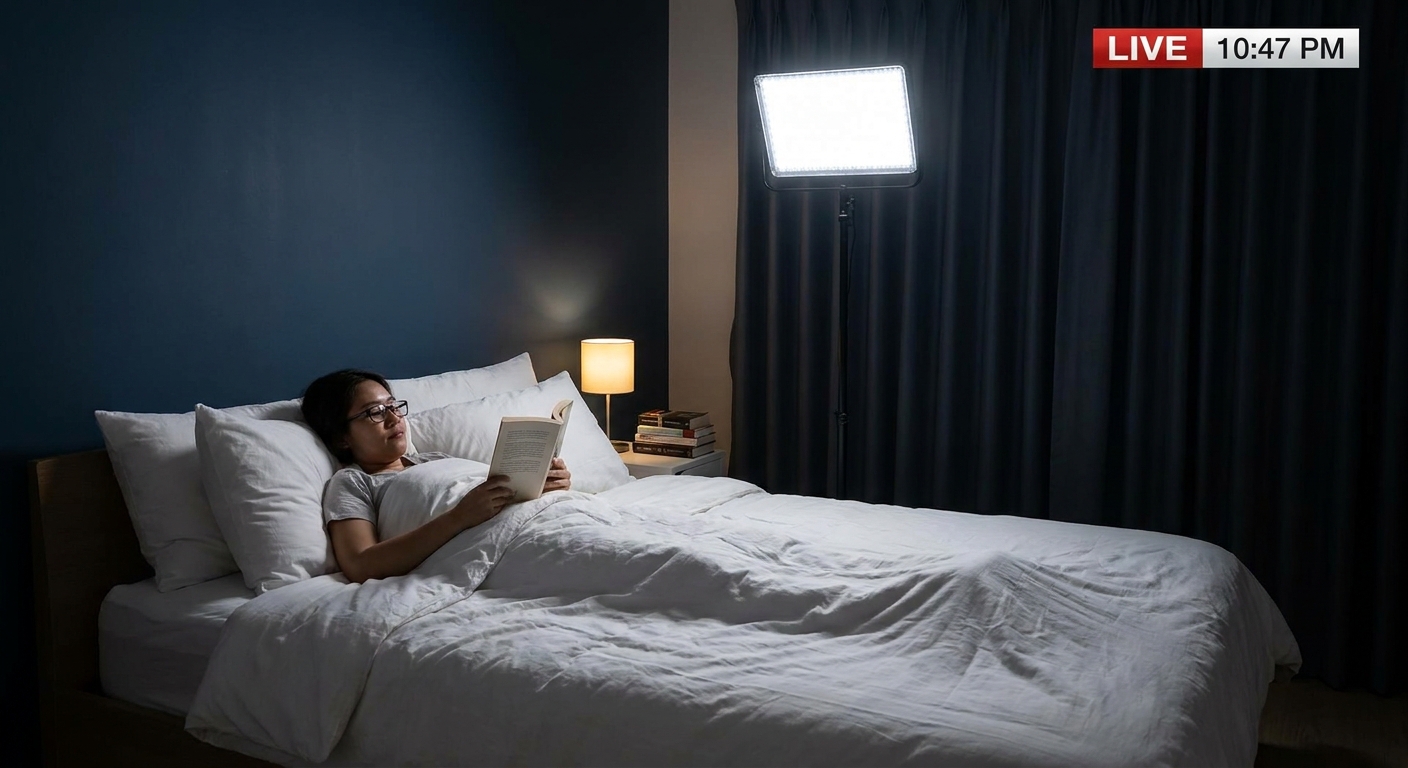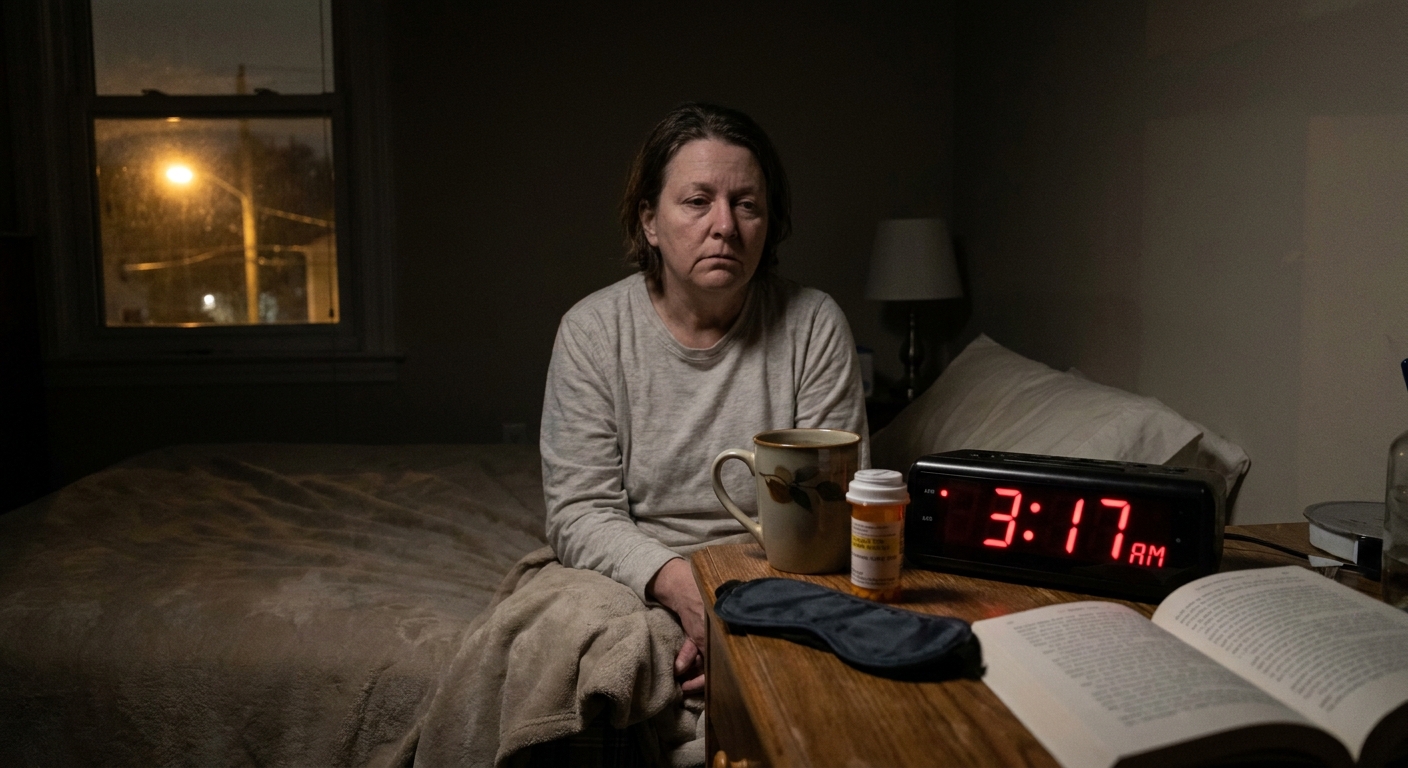
When insomnia lingers, many people stand at a fork in the road. One path leads to medications or supplements; the other toward behavioral and environmental changes. In practice, people often mix both—and feel confused about what’s truly helping.
Two Roads Through the Same Night
This guide offers a calm, evidence-based comparison of common insomnia treatments, with special attention to what you can change in your bedroom and routine. Think of it as a lantern: not to tell you which way you must go, but to help you see the ground beneath each option.
How Insomnia Treatments Are Evaluated
Clinicians often look at:
- Sleep onset latency: How long it takes to fall asleep
- Wake time after sleep onset (WASO): Time awake during the night
- Total sleep time (TST)
- Sleep quality and daytime function
- Side effects and long-term safety
Research consistently shows that Cognitive Behavioral Therapy for Insomnia (CBT‑I) is the first-line treatment for chronic insomnia.[^1] Medications can play a role, especially short-term, but they work best when combined with behavioral changes.
Path 1: Behavioral and Environmental Approaches
These are sometimes called “natural” in everyday language, though many are structured, clinical methods.
Cognitive Behavioral Therapy for Insomnia (CBT‑I)
What it is: A structured program (usually 4–8 sessions) that combines:
- Stimulus control: Re-teaching your brain that bed = sleep
- Sleep scheduling (restriction): Matching time in bed to actual sleep
- Cognitive therapy: Addressing unhelpful thoughts about sleep
- Relaxation training: Breathing, muscle relaxation, or mindfulness
- Sleep hygiene education: Supporting habits and environment
Effectiveness:
- Multiple meta-analyses show CBT‑I improves sleep onset, nighttime awakenings, and sleep satisfaction, with benefits that often persist for months to years.[^2]
- As effective as or more effective than sleep medications in the long term.[^3]
Pros:
- Durable benefits
- No pharmacological side effects
- Can be adapted to your chronotype and lifestyle
Cons:
- Requires effort and consistency
- Access can be limited in some areas (online programs help bridge this)
Bedroom and Sleep Hygiene Changes
On their own, sleep hygiene changes often aren’t enough to resolve chronic insomnia, but they are essential foundations.[^4]
Key, research-informed elements include:
- Light management: Dim lights and screens 60–90 minutes before bed; brighten light soon after waking.[^5]
- Noise control: Use white noise or earplugs to reduce disruptive sounds.[^6]
- Temperature: Cool room (about 60–67°F/15–19°C) and breathable bedding.[^7]
- Bed use: Avoid working, arguing, or scrolling in bed.
Think of these adjustments as the stage on which more targeted therapies (like CBT‑I) perform.
Relaxation and Mind–Body Practices
- Progressive muscle relaxation and guided imagery can reduce pre-sleep arousal.[^8]
- Mindfulness-based interventions have shown moderate improvements in insomnia severity, especially in people with comorbid stress or mood concerns.[^9]
These practices don’t force sleep, but they lower the volume of the nervous system, making it easier for sleep to emerge.
Path 2: Medications and Supplements
Medication decisions should always be made with a healthcare professional. Here, we’ll highlight general patterns seen in research.
Prescription Sleep Medications
Common categories include:[^10]
- Benzodiazepine receptor agonists (e.g., zolpidem, eszopiclone, temazepam)
- Orexin receptor antagonists (e.g., suvorexant, lemborexant)
- Melatonin receptor agonists (e.g., ramelteon)
Certain sedating antidepressants (off-label use)
What research shows:
- Can reduce time to fall asleep and increase total sleep time in the short term.
- Many are meant for short-term or intermittent use.
- Some carry risks of tolerance, dependence, next-day impairment, falls (especially in older adults), or complex sleep behaviors.[^11]
Pros:
- Often provide rapid symptom relief
- Helpful in acute crises or when insomnia co-occurs with severe distress
Cons:
- Do not typically address underlying behavioral and cognitive patterns
- Benefits may diminish if used long-term without other changes
Over-the-Counter Options
OTC sleep aids often include:
- Antihistamines (diphenhydramine, doxylamine)
- Melatonin supplements
- Herbal products (e.g., valerian, chamomile)
Antihistamines:
- Can cause drowsiness and may help some people fall asleep.
- Frequently lead to next-day grogginess, tolerance, dry mouth, urinary retention, or confusion, especially in older adults.[^12]
- Not recommended for regular, long-term use.
Melatonin:
- Helps regulate circadian timing more than directly inducing sleep.[^13]
- Best evidence for delayed sleep–wake phase (night owls) and for jet lag.
- Typical doses in research are lower (0.5–3 mg) and taken a few hours before desired sleep, not at bedtime.
Herbal remedies:
- Evidence is mixed and often limited by small studies and variable quality.[^14]
- Some people report subjective benefit; others notice little change.
Which Path Works Better—and When?
For Chronic Insomnia (3+ Months)
Guidelines from organizations like the American College of Physicians and the American Academy of Sleep Medicine recommend CBT‑I as first-line treatment.[^1][^3]
- Medications may be added short term if symptoms are severe, or if access to CBT‑I is delayed.
- Long-term reliance on hypnotic medications without behavioral change is generally discouraged.
For Short-Term or Situational Insomnia
- Short-term medication use, under medical guidance, can help you through acute stress (bereavement, illness, crisis).
- Still, supporting sleep through rituals, environment, and coping skills is wise even in brief episodes.
Bedroom Changes That Support Both Paths
Whichever route you take, your bedroom can amplify the benefits or dilute them.
Make Your Room a Reliable Sleep Cue
- Keep a consistent wake time and similar bedtime range, aligned with your chronotype.
- Reserve the bed for sleep and intimacy; relocate laptops, paperwork, and television.
- Use blackout curtains or an eye mask, especially if you’re sensitive to early light.
- Consider a white noise machine to buffer against unpredictable sounds.
Build a Chronotype-Friendly Space
- Morning types:
- Softer lighting after dinner; soothing colors and minimal clutter.
- Keep stimulating activities (bright screens, intense debates) out of the late evening.
- Evening types:
- Layered lighting: bright early evening, then gradually dimmer lamps.
- Strong light-blocking tools (curtains, mask) to avoid premature dawn.
Your room becomes a silent partner to whatever treatment plan you follow.
Combining Approaches Thoughtfully
You do not have to choose a single, pure path. Many people use short-term medication support while they learn and apply CBT‑I strategies, then taper medication as behavioral changes take hold.[^15]
A sensible, collaborative approach with your clinician might look like:
Initial phase (first weeks):
- Start CBT‑I or a validated digital CBT‑I program. - Make specific bedroom adjustments and establish a wind-down routine. - If needed, use a prescribed medication short term, with a clear exit plan.
Middle phase (weeks 3–8):
- Strengthen stimulus control and sleep scheduling. - Begin gradual dose reduction of medication if appropriate. - Fine-tune light exposure and chronotype-aligned schedule.
Maintenance phase:
- Continue behavioral strategies. - Use medication only occasionally, if at all, with your clinician’s guidance.
Gentle Questions to Ask Yourself and Your Clinician
To choose the wisest combination for you, you might ask:
- What is my main sleep problem? Falling asleep, staying asleep, or both?
- How long has this been going on? Days, weeks, months, or years?
- What have I already tried? How consistently?
- What do I hope medication will do? Quick relief, long-term fix, or both?
- Am I willing to invest some time and effort in CBT‑I or structured behavioral changes?
These questions are not a test; they’re a way of bringing clarity and kindness to your choices.
A Final, Quiet Perspective
Medications can sometimes dim the bedroom clock quickly; behavioral and environmental changes tend to move more slowly but reshape the whole room around it. Neither path is “weak” or “cheating,” and no single strategy suits everyone.
What matters is that, over time, you move toward a life where sleep feels less like a fragile visitor and more like a familiar guest. A dark, cool, quiet bedroom; a schedule that respects your chronotype; gentle thought work; and, when needed, carefully used medication—together, these form a sturdy bridge back to rest.
Your nights do not have to be an endless comparison of what you “should” be doing. They can become a series of experiments, guided by evidence and softened by self-compassion.
[^1]: Qaseem A, Kansagara D, et al. Management of chronic insomnia disorder in adults. Ann Intern Med. 2016.
[^2]: Morin CM, Benca R. Chronic insomnia. Lancet. 2012.
[^3]: Trauer JM, Qian MY, et al. Cognitive behavioral therapy for chronic insomnia: A systematic review and meta-analysis. Ann Intern Med. 2015.
[^4]: Stepanski EJ, Wyatt JK. Use of sleep hygiene in the treatment of insomnia. Sleep Med Rev. 2003.
[^5]: Chang A-M, Aeschbach D, Duffy JF, Czeisler CA. Evening use of light-emitting eReaders negatively affects sleep. PNAS. 2015.
[^6]: Stanchina ML, Abu-Hijleh M, et al. The influence of white noise on sleep in subjects exposed to ICU noise. Sleep Med. 2005.
[^7]: Van Someren EJW. Mechanisms and functions of coupling between sleep and body temperature rhythms. Prog Brain Res. 2006.
[^8]: Morin CM, Culbert JP, Schwartz SM. Nonpharmacological interventions for insomnia. Am J Psychiatry. 1994.
[^9]: Ong JC, Sholtes D. A mindfulness-based approach to the treatment of insomnia. J Clin Psychol. 2010.
[^10]: Neubauer DN. Pharmacotherapy for chronic insomnia. Clin Cornerstone. 2003.
[^11]: Glass J, Lanctôt KL, et al. Sedative hypnotics in older people: a systematic review of risks and benefits. BMJ. 2005.
[^12]: Richardson K, Fox C, et al. Anticholinergic drugs and risk of dementia. BMJ. 2018.
[^13]: Brzezinski A, Vangel MG, et al. Effects of exogenous melatonin on sleep: a meta-analysis. Sleep Med Rev. 2005.
[^14]: Sarris J, Byrne GJ. A systematic review of herbal medicines for psychiatric disorders. Aust N Z J Psychiatry. 2011.
[^15]: Morin CM, Bélanger L, et al. Long-term outcome after discontinuation of benzodiazepines for insomnia: a survival analysis. J Clin Psychiatry. 2005.