Not all naps are created equal. A 15-minute power nap and a 90-minute long nap ask very different things of your brain and body. Understanding the differences is like learning the tides of your own inner ocean; once you know how they move, you can sail instead of struggle.
Two Kinds of Rest, One Nervous System
This comparison walks through the physiology, pros and cons, and ideal use cases for short power naps and longer, full-cycle naps, with specific guidance for different chronotypes.
What Is a Power Nap?
Most sleep researchers use "power nap" to describe a short nap of about 10–20 minutes.
What Happens in a Power Nap
You typically remain in light NREM sleep (stages N1 and N2):
- Brain waves slow modestly.
- Heart rate and breathing become more regular.
- You usually do not enter deep slow-wave sleep.
Benefits
Studies show that 10–20 minute naps can:
- Improve alertness and reaction time.[^1]
- Enhance sustained attention for several hours.[^2]
- Boost mood and reduce subjective sleepiness.[^3]
Because you’re not plunging into deep sleep, you wake up more cleanly, with minimal grogginess.
Downsides
- Benefits may be subtler than from longer naps.
- If you are badly sleep deprived, a power nap may feel refreshing but not fully restorative.
What Is a Long Nap?
A long nap typically lasts 60–90 minutes, allowing your brain to move through at least one full sleep cycle.
What Happens in a Long Nap
You usually enter:
- Light NREM (N1 and N2)
- Deep slow-wave sleep (N3)
- Often REM sleep toward the end of the cycle
Benefits
Research suggests that longer naps can:
- Provide stronger recovery when you’re sleep deprived.[^4]
- Improve certain types of memory and learning, especially when they include both N3 and REM.[^5]
- Enhance creativity and problem solving, partly via REM sleep’s emotional and associative processing.[^6]
Downsides
- Waking from deep sleep (N3) can cause sleep inertia—that heavy, foggy feeling—for 30–60 minutes.[^7]
- Long naps, especially late in the day, can reduce sleep pressure and make it harder to fall asleep at night.
Power Nap vs. Long Nap at a Glance
| Feature | Power Nap (10–20 min) | Long Nap (60–90 min) |
|-------------------------|-----------------------------------------------|-----------------------------------------------------|
| Main sleep stages | N1, N2 (light sleep) | N1, N2, N3 (deep), often REM |
| Wake-up feeling | Quick refresh, low grogginess | Potential grogginess if woken from N3 |
| Best for | Alertness, focus, mood | Sleep debt, memory consolidation, creativity |
| Impact on night sleep | Minimal if earlier in the day | Higher risk of delaying sleep onset |
| Typical users | Office workers, students, drivers | Shift workers, jet-lagged travelers, new parents |
How Chronotype Changes the Equation
Chronotype shapes when your brain is most nap-ready and how likely a nap is to disturb your night.
Morning Larks
- Natural rhythm: Early wake time, peak energy in the morning, early bedtime.
- Best nap style: Power nap.
- Ideal window: 12:00–2:00 p.m.
Power naps align well with larks. Long naps can easily push their natural bedtime later, fragmenting night sleep over time.
> Recommendation for larks: Use 10–20 minute naps for a gentle midday reset. Save 90-minute naps for rare occasions of major sleep loss and schedule them before 1:30 p.m.
Intermediate Types
- Natural rhythm: Mid-range wake and sleep times.
- Best nap style: Either, depending on life demands.
- Ideal window: 1:00–3:00 p.m.
Intermediate types are flexible. On regular days, a 15–20 minute power nap may be perfect. During periods of travel, intense workloads, or caring responsibilities, occasional 60–90 minute naps can help repay sleep debt.
> Recommendation for intermediates: Choose nap type based on need. If night sleep begins suffering, temporarily shift toward shorter naps.
Night Owls
- Natural rhythm: Difficulty winding down early, energy rises later in the day.
- Best nap style: Mainly short naps.
- Ideal window: 2:00–4:00 p.m.
Night owls are more vulnerable to late, long naps reinforcing already delayed sleep timing.
> Recommendation for owls: Favor 10–20 minute power naps. If you must take a long nap after a very short night, schedule it as early as possible (before 2:30 p.m. when you can) and limit frequency.
Practical Bedroom Adjustments for Both Nap Styles
Regardless of length, naps benefit from a calm, predictable environment.
For Power Naps
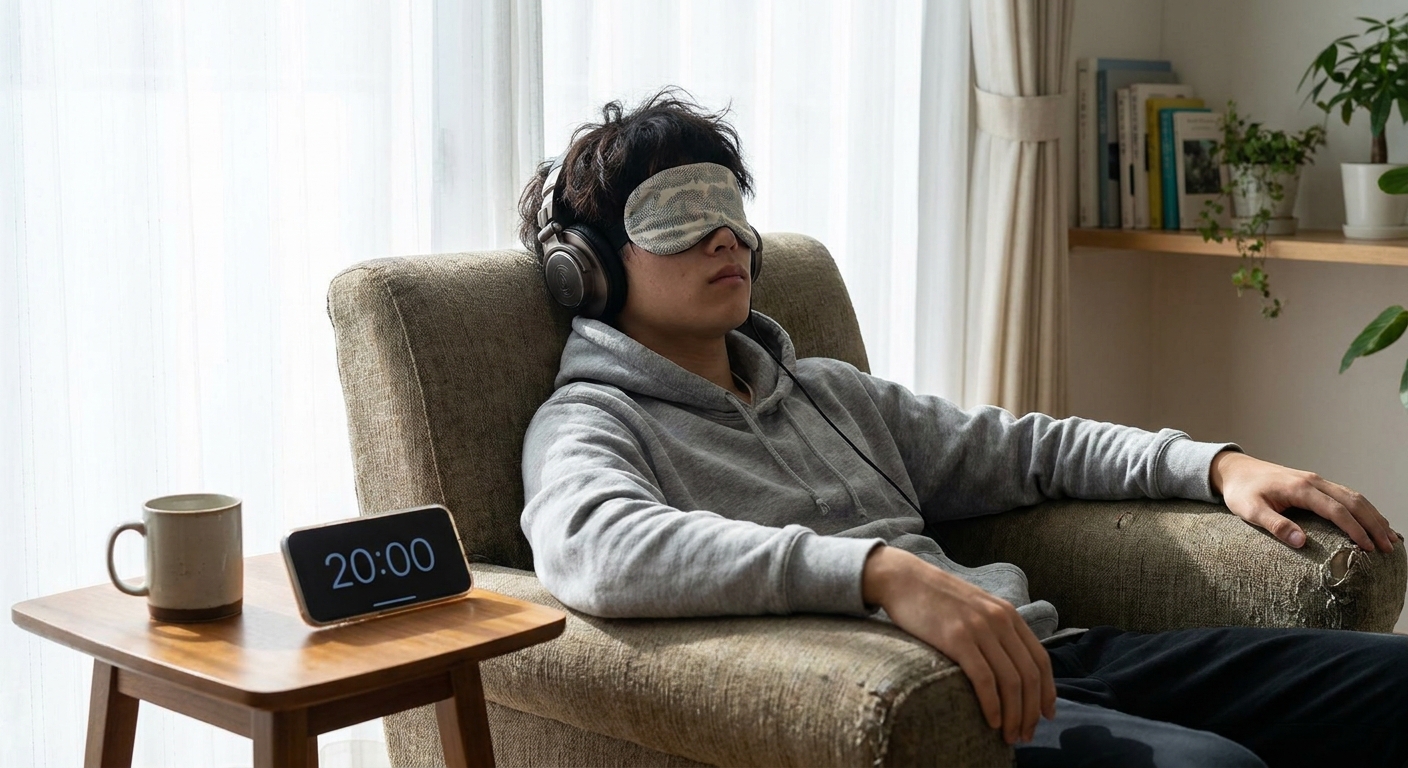
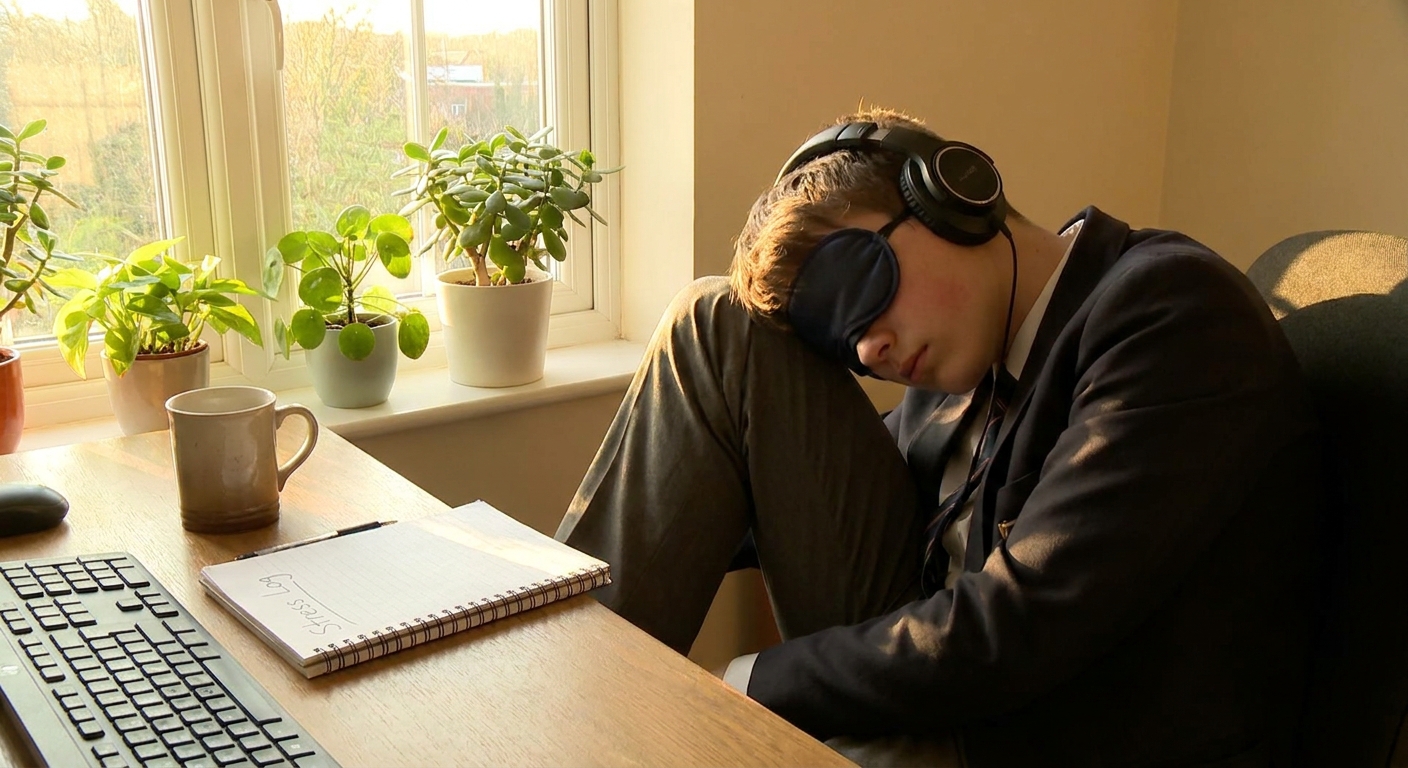
- Quick-darkening options: Eye mask by the bed or at your desk; small travel curtain if napping at work.
- Noise control: Keep a white noise app or fan ready to mask daytime sounds.
- Temperature: Slightly cool room; a light throw can help you relax quickly.
For Long Naps
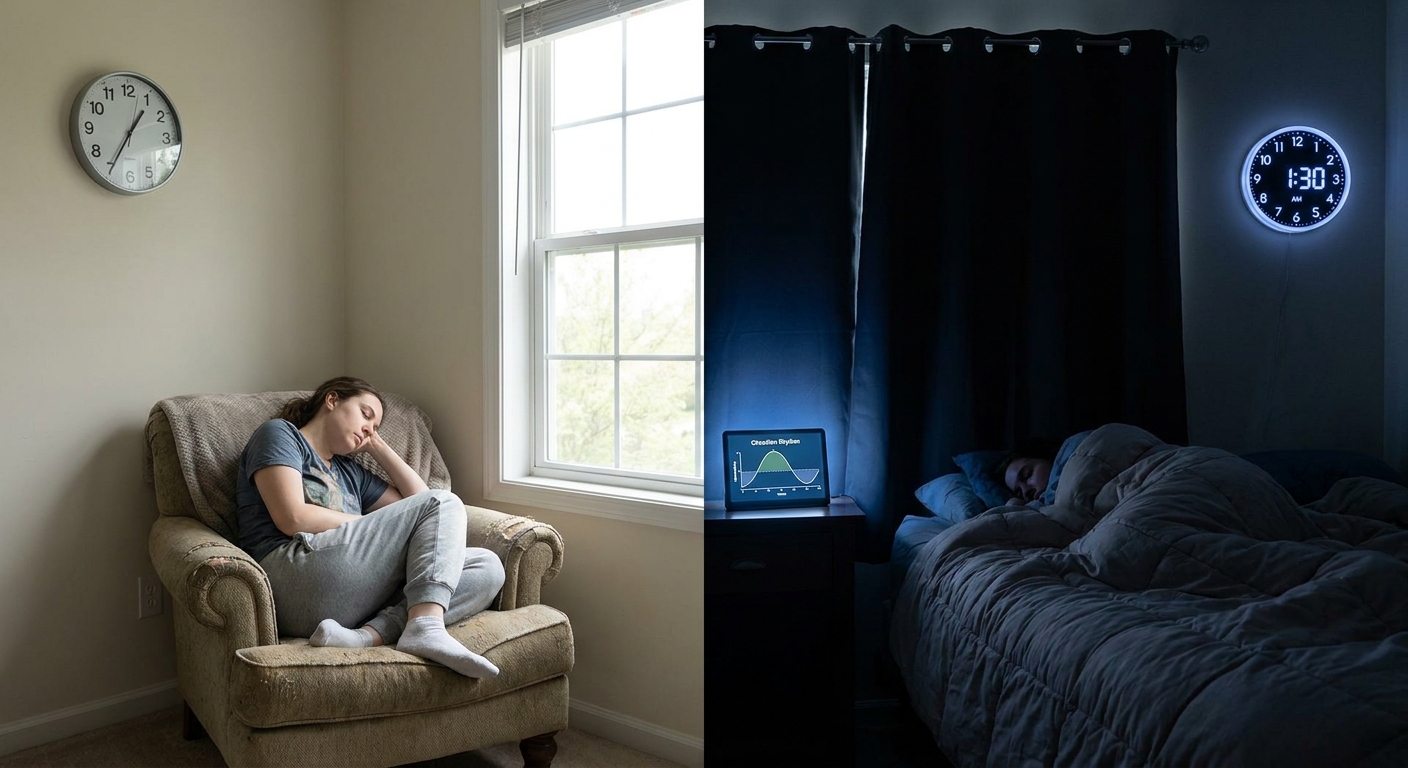
- Deeper darkness: Blackout curtains or window film to reduce light fluctuations.
- Comfort: A supportive pillow and mattress topper to allow longer stillness.
- Phone placement: Outside arm’s reach, with alarms pre-set so you’re not tempted to scroll.
When to Prefer a Power Nap
Choose a short nap when:
- You have important tasks, driving, or caring responsibilities soon afterward.
- You slept reasonably well the night before but feel a dip.
- You’re vulnerable to insomnia and want to protect night sleep.
- You’re at work or school and time or privacy is limited.
A 15-minute nap can be surprisingly potent: in one study, even 10-minute naps improved alertness and fatigue more quickly than longer naps, with less inertia.[^1]
When to Prefer a Long Nap
Choose a long nap when:
- You’re significantly sleep deprived (e.g., multiple short nights in a row).
- You work rotating or night shifts and need to stabilize performance.
- You’ve just traveled across time zones and are adjusting your clock.
- You’re learning new, complex information or skills and want to support memory.
Military and shift-work research shows that longer prophylactic or recovery naps can maintain performance across extended wakefulness.[^4]
Gentle Guidelines to Avoid Common Pitfalls
- Avoid the 30–60 minute "middle" when possible: You’re more likely to wake from deep sleep, feeling disoriented.
- Set an alarm: Even for long naps, aim to wake near 90 minutes, not 110.
- Pair power naps with light exposure (sunlight or bright indoor light) afterward to reinforce daytime alertness.
- Limit long naps to a few times per week, not daily, unless you’re a shift worker or under medical guidance.
What If Naps Make You Feel Worse?
If you consistently wake from naps feeling worse:
- Shorten your nap to 10–15 minutes.
- Move it earlier by 30–60 minutes.
- Spend 5 minutes stretching and getting light exposure after waking.
If that doesn’t help, consider:
- Sleep apnea or other sleep disorders.
- Underlying depression or anxiety.
- Chronic insomnia, where structured nap restriction may be part of treatment.
A sleep specialist can help you explore these possibilities.
Encouragement for Finding Your Own Balance
Nap science offers clear patterns, but there is still room for your personal preferences. Some bodies love the swift brightness of a power nap; others occasionally crave the full, deep exhale of a 90-minute rest.
Imagine your day as a piece of music: power naps are light grace notes that briefly lift the melody; long naps are quieter movements that let the whole composition breathe. You are allowed to use both, thoughtfully, as part of your own score.
When you experiment gently—changing one variable at a time—and listen kindly to how you feel, you’ll find the combination of nap length and timing that supports you rather than pulling you off beat.
[^1]: Brooks, A., & Lack, L. (2006). A brief afternoon nap following nocturnal sleep restriction: Which nap duration is most recuperative? Sleep, 29(6), 831–840.
[^2]: Tietzel, A. J., & Lack, L. (2002). The short-term benefits of brief and long naps following nocturnal sleep restriction. Sleep, 25(2), 170–176.
[^3]: Milner, C. E., & Cote, K. A. (2009). Benefits of napping in healthy adults. Journal of Sleep Research, 18(2), 272–281.
[^4]: Rupp, T. L. et al. (2009). Napping behavior and sleepiness in extended operations. Chronobiology International, 26(4), 766–779.
[^5]: Mednick, S. C., Nakayama, K., & Stickgold, R. (2003). Sleep-dependent learning: A nap is as good as a night. Nature Neuroscience, 6(7), 697–698.
[^6]: Cai, D. J., Mednick, S. A., Harrison, E. M., et al. (2009). REM, not incubation, improves creativity by priming associative networks. Proceedings of the National Academy of Sciences, 106(25), 10130–10134.
[^7]: Tassi, P., & Muzet, A. (2000). Sleep inertia. Sleep Medicine Reviews, 4(4), 341–353.