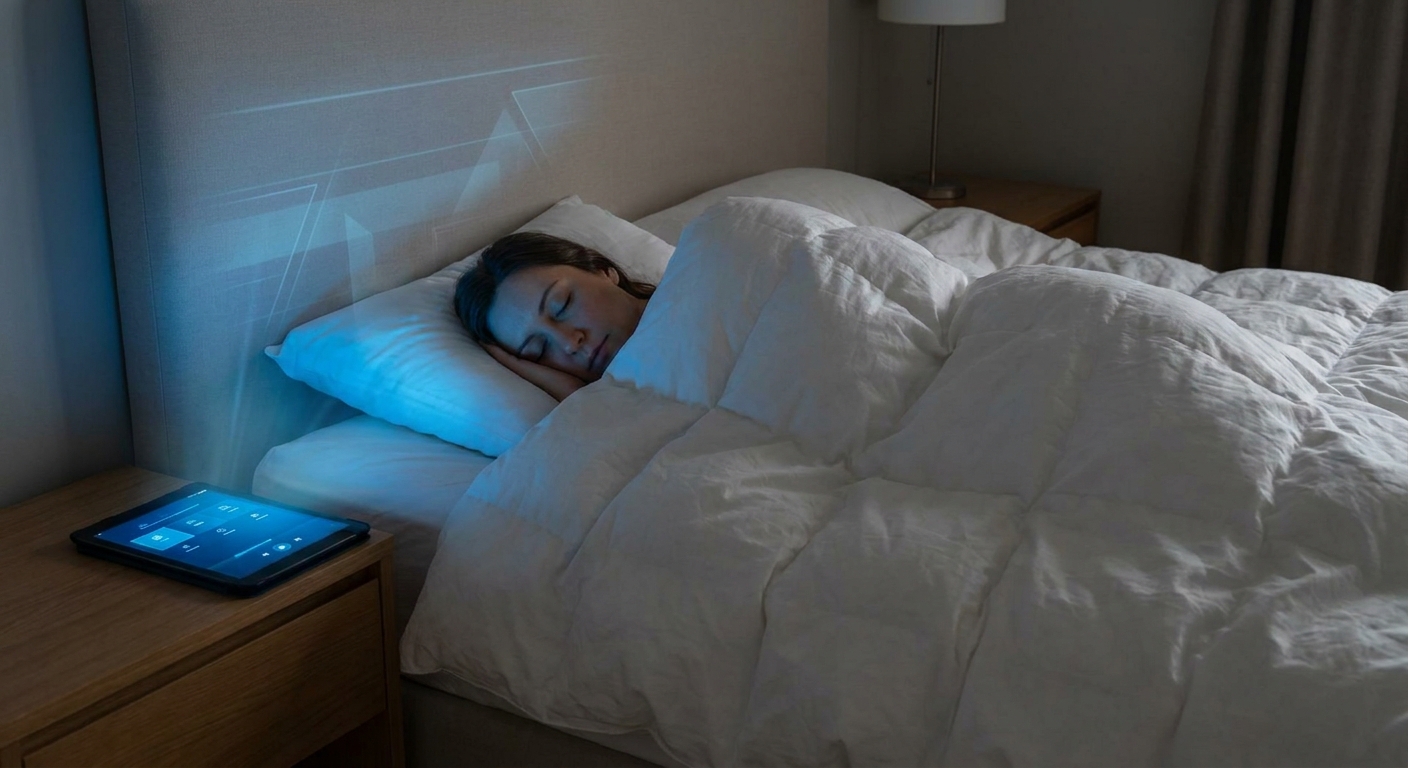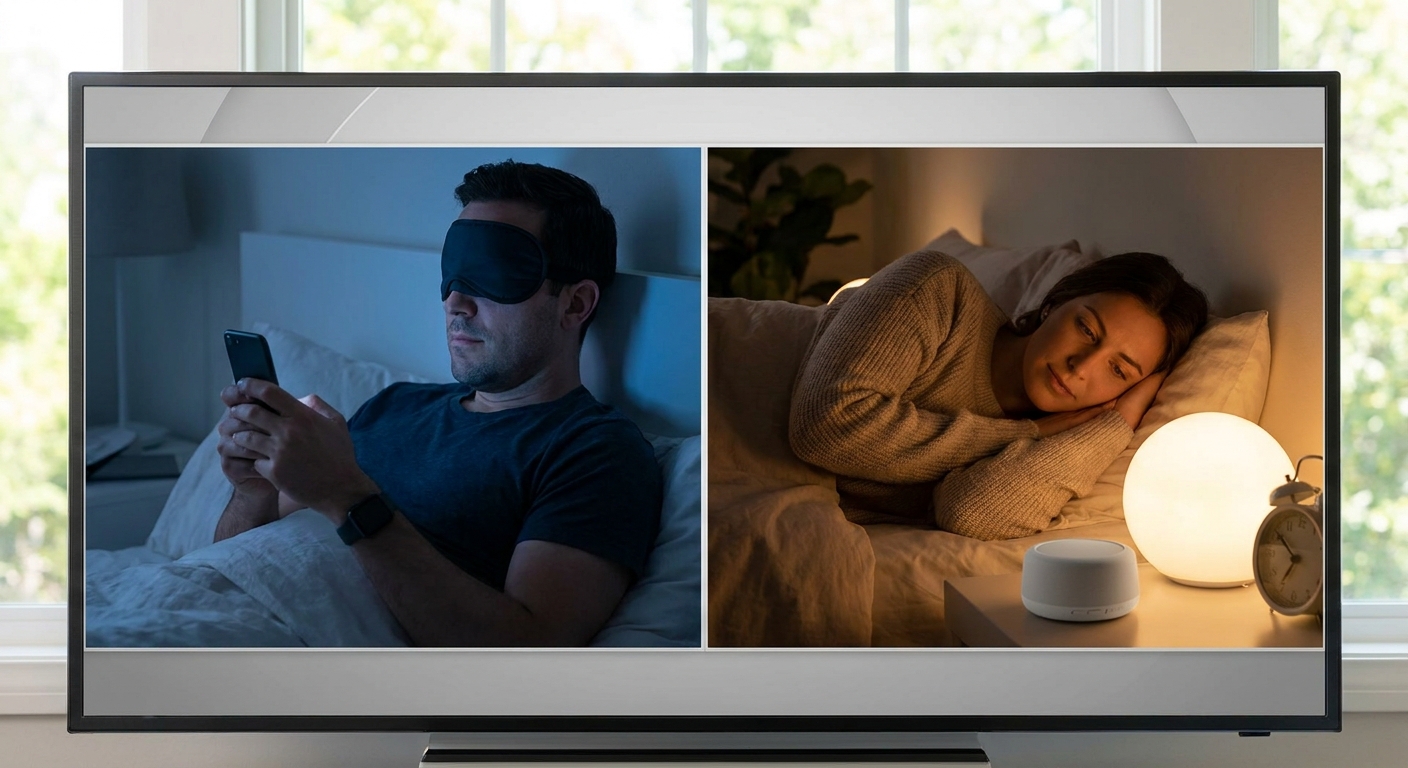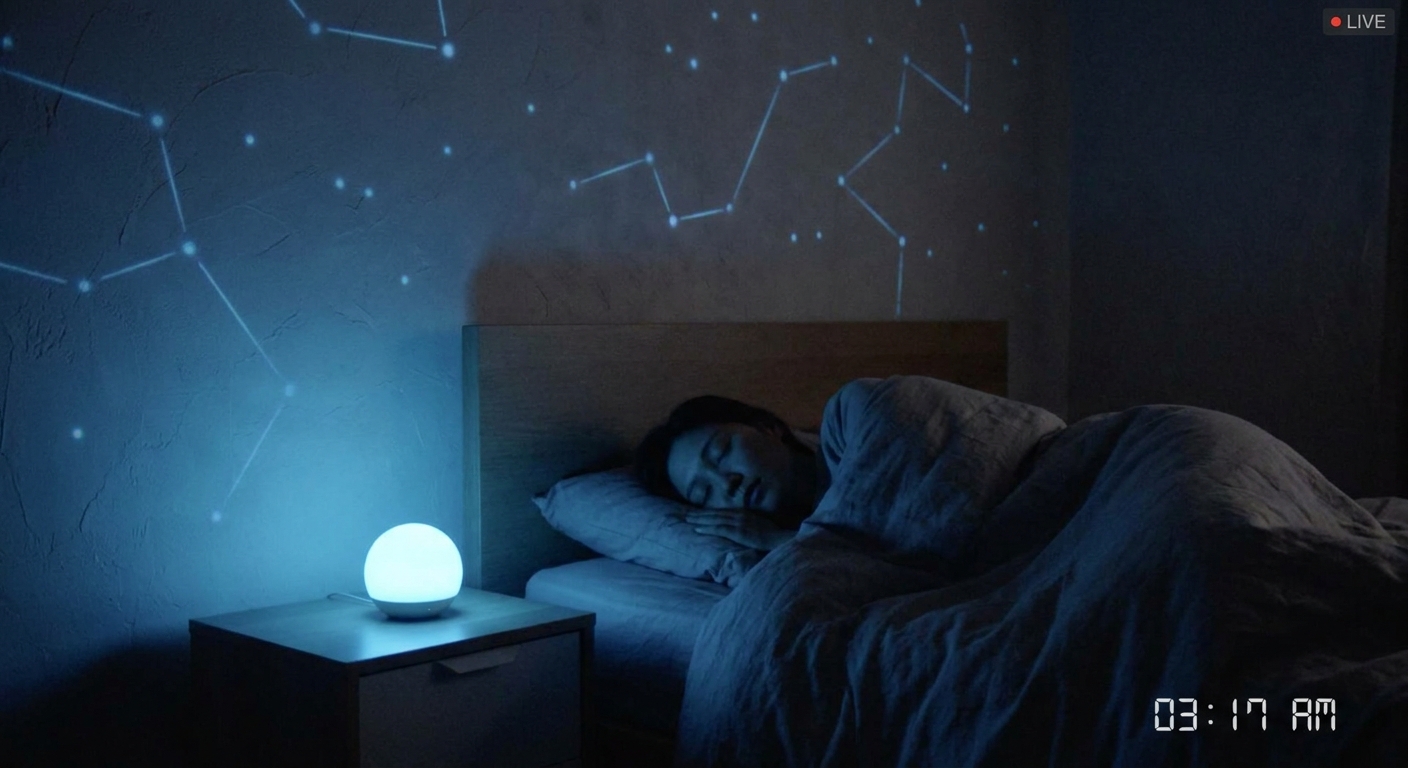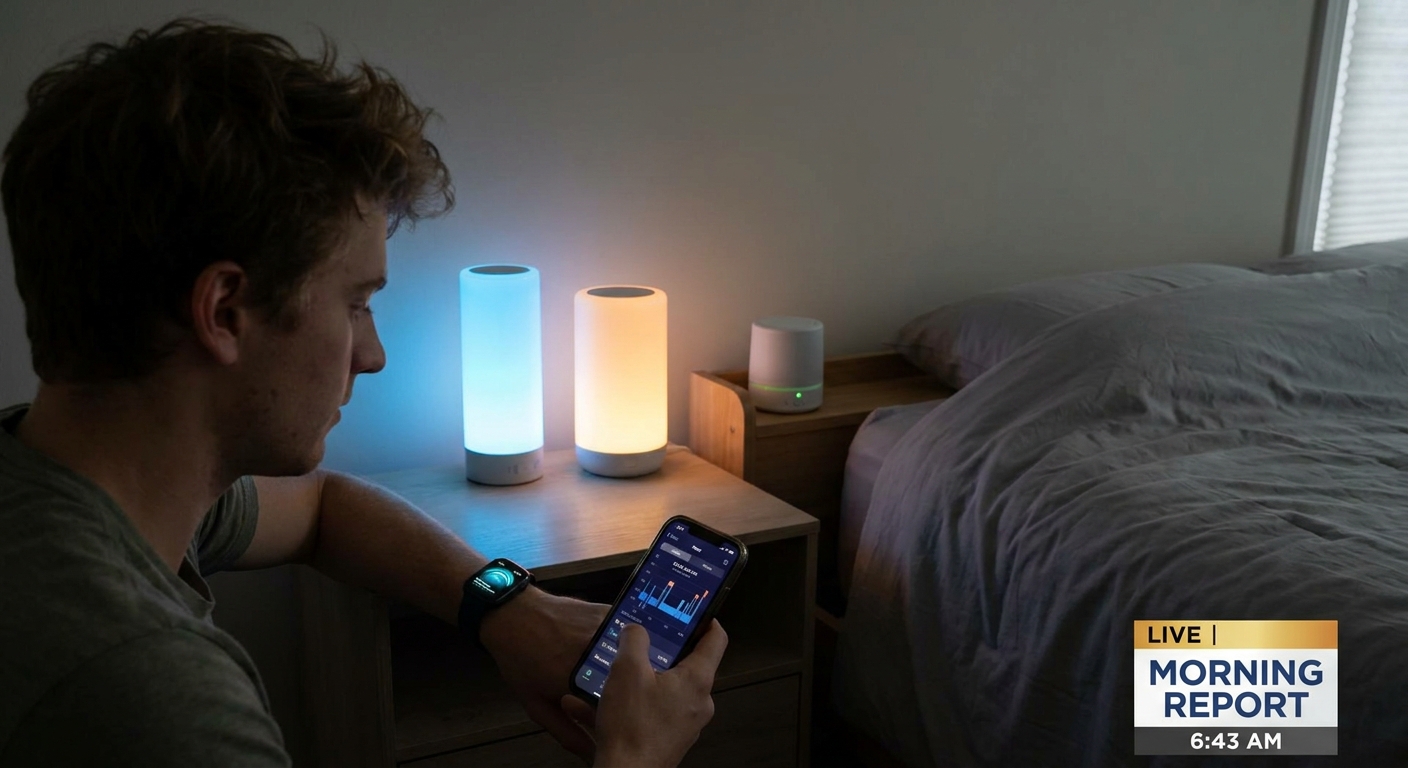
Sleep is not a test you pass or fail; it is a rhythm you slowly befriend. When you introduce sleep tech into that rhythm, the key is to move step by step, the way you’d ease into a quiet pool rather than jump into cold water.
Starting Where You Are: A Kind Approach to Sleep Tracking
This guide walks you through a calm, structured way to build a sleep tech routine—from choosing your tools to interpreting your data and shaping your evenings.
Step 1: Choose the Right Kind of Sleep Tech for Your Temperament
Your personality and sensitivity matter as much as device features.
If You’re Detail-Oriented (and Prone to Perfectionism)
You might gravitate to multi-metric wearables—but you’re also at higher risk of obsessing over nightly numbers.
Consider:
- A ring or watch that allows minimal notifications and no bright night-time screen.
- Turning off frequent alerts; use only the morning summary.
If You’re Sensitive to Discomfort
Wearing something on your wrist or finger may bother you.
Consider:
- An under-mattress sensor or bedside monitor that tracks movement, heart rate, and breathing without touching you.
If You Want the Lightest Possible Touch
You might prefer tech that disappears into your existing routine.
Consider:
- A smart alarm clock with gentle light and minimal metrics.
- Occasional smartphone sound-tracking sessions to assess snoring or noise (phone placed across the room).
Aim for a setup that feels like a soft background presence, not a new chore.
Step 2: Establish a 2‑Week Baseline Without Changing Anything
Before making any big shifts, simply observe.
For 14 nights:
- Wear or run your device as consistently as possible.
- Avoid intentionally changing bedtime, caffeine, or exercise timing just yet.
- Each morning, take 30 seconds to note (on paper or in an app):
- Subjective sleep quality (0–10)
- How refreshed you feel on waking
- Any obvious disruptors (late meal, alcohol, argument, intense work)
This creates a gentle “before” picture, so you can later see which changes actually help.
Research on sleep diaries shows that combining subjective reports with objective tracking paints a fuller, more accurate picture of sleep issues than either alone [1].
Step 3: Understand Your Baseline Patterns
After two weeks, look at your data like a curious scientist who also cares about your heart.
Ask:
- Timing: When do you naturally fall asleep and wake on days without alarms?
- Duration: Are you consistently under 7 hours of sleep (associated with higher risk of mood changes and metabolic issues [[2]](https://pubmed.ncbi.nlm.nih.gov/26170321/))?
- Fragmentation: Are there many awakenings, or long wakes in the middle of the night?
- Variability: Are your bedtimes shifting by more than 60–90 minutes between nights?
This isn’t about judgment; it’s about seeing your sleep as a pattern of waves instead of isolated splashes.
Step 4: Make One Change at a Time—And Let Tech Reflect Back
Resist the urge to renovate your entire evening. Choose one change every 1–2 weeks, so your device can show its specific impact.
Some powerful, evidence-supported options:
Change 1: A Consistent Anchor Wake Time
Keeping your wake time fixed, even on weekends, stabilizes your internal clock [3].
How to do it:
- Choose a wake time you can realistically maintain most days.
- Use a gradual light alarm or smart bulbs that brighten slowly.
- Expect a few groggy mornings as your rhythm adjusts.
Watch your data:
- Over 1–2 weeks, do sleep onset and mid-night awakenings become more regular?
Change 2: A 60‑Minute Digital Dimming Ritual
Evening screens delay melatonin and reduce sleepiness [4].
How to do it:
- Set app or system-level downtime 60 minutes before bed.
- Shift to low-stimulation activities: reading, stretching, quiet music.
- Enable warm color filters and reduce brightness.
Watch your device:
- Does sleep onset latency (time it takes to fall asleep) slowly decrease?
Change 3: Caffeine Curfew
Caffeine’s half-life is about 5–6 hours, and even afternoon use can reduce slow-wave sleep in sensitive people [5].
How to do it:
- Set a personal cut-off time (often 6–8 hours before bedtime).
- Substitute herbal tea or decaf after that point.
Watch your data:
- Track deep sleep estimates and awakenings on days with and without late caffeine.
Step 5: Adapt the Plan to Your Chronotype
Sleep tech can help reveal your chronotype by showing when you fall asleep most easily and wake most naturally.
Morning Types (Larks)
- Protect early bedtimes with dimming cues (smart lights, bedtime reminders).
- Schedule demanding tasks for the first half of the day.
- Use your device to confirm that extending your evening too often decreases your sleep efficiency.
Evening Types (Owls)
- Use light as medicine: bright light soon after waking, dimmer light in the late evening [[6]](https://pubmed.ncbi.nlm.nih.gov/26035215/).
- Gradually move bedtime earlier by 15 minutes every few nights, guided by how long you lie awake.
- Let your tracker show whether earlier bedtimes are actually resulting in more total sleep or just longer wake in bed.
Intermediate Types
- Use your device to spot the sweet spot where you both fall asleep quickly and wake with energy.
- Keep that window stable; avoid sliding 2–3 hours later on weekends.
Your chronotype isn’t a flaw; it’s your personal time signature. Tech helps you see it more clearly.
Step 6: Guard Against Sleep Score Anxiety
If you notice your mood dipping whenever you see a low score, introduce some buffers.
Try:
- Delayed checking: Only review your sleep data after breakfast, not immediately upon waking.
- Range thinking: Define your own “okay band” (e.g., 70–85) and treat anything inside it as acceptable variation.
- Dual rating: Each morning, rate your sleep based on how you feel before seeing the data, then compare. Over time, you’ll relearn to trust your body as much as the device.
Research on orthosomnia suggests that preoccupation with perfect numbers can undermine sleep by increasing arousal and worry [7]. Treat your scores like weather reports—useful, but not moral judgments.
Step 7: Create a Gentle Evening Flow That Tech Supports, Not Controls
Design your evenings so they quietly point toward sleep without feeling strict.
A sample 90‑minute wind-down:
- T‑90 minutes: Dim main lights, switch to lamps or smart bulbs on an evening scene. Wearable shifts to "night mode" notifications.
- T‑60 minutes: Screens off or heavily filtered; light reading or stretching.
- T‑30 minutes: Hygiene routine, prepare bedroom (cool temperature, blinds, noise machine).
- Bedtime: Place phone on a distant charger, start sleep tracking, and let the day release you.
Your device is simply there in the background, like a quiet archivist preserving the story of your night.
Step 8: Know When to Seek More Than Data
If your tech repeatedly reflects:
- Very low sleep efficiency (much time in bed awake).
- Loud snoring or pauses in breathing (often flagged by audio or respiratory-rate metrics).
- Persistent short sleep despite plenty of time in bed.
…then it may be time to partner with a clinician.
Cognitive Behavioral Therapy for Insomnia (CBT‑I) has strong evidence for improving chronic insomnia [8], and sleep apnea is highly treatable once identified.
Use your tracked history as a companion document, helping your provider see your patterns more clearly.
Letting Tech Be a Lantern, Not a Leash
When approached step by step, sleep tech can become a calm ally:
- You choose tools that match your temperament.
- You observe before you change.
- You adjust one habit at a time.
- You tailor your routine to your chronotype.
- You protect your peace from score anxiety.
In time, your evenings can feel less like a battle and more like a gentle tide that returns, night after night, carrying you toward rest. The screens, sensors, and scores remain in the periphery—quiet instruments in the orchestra of your sleep, never the conductor.