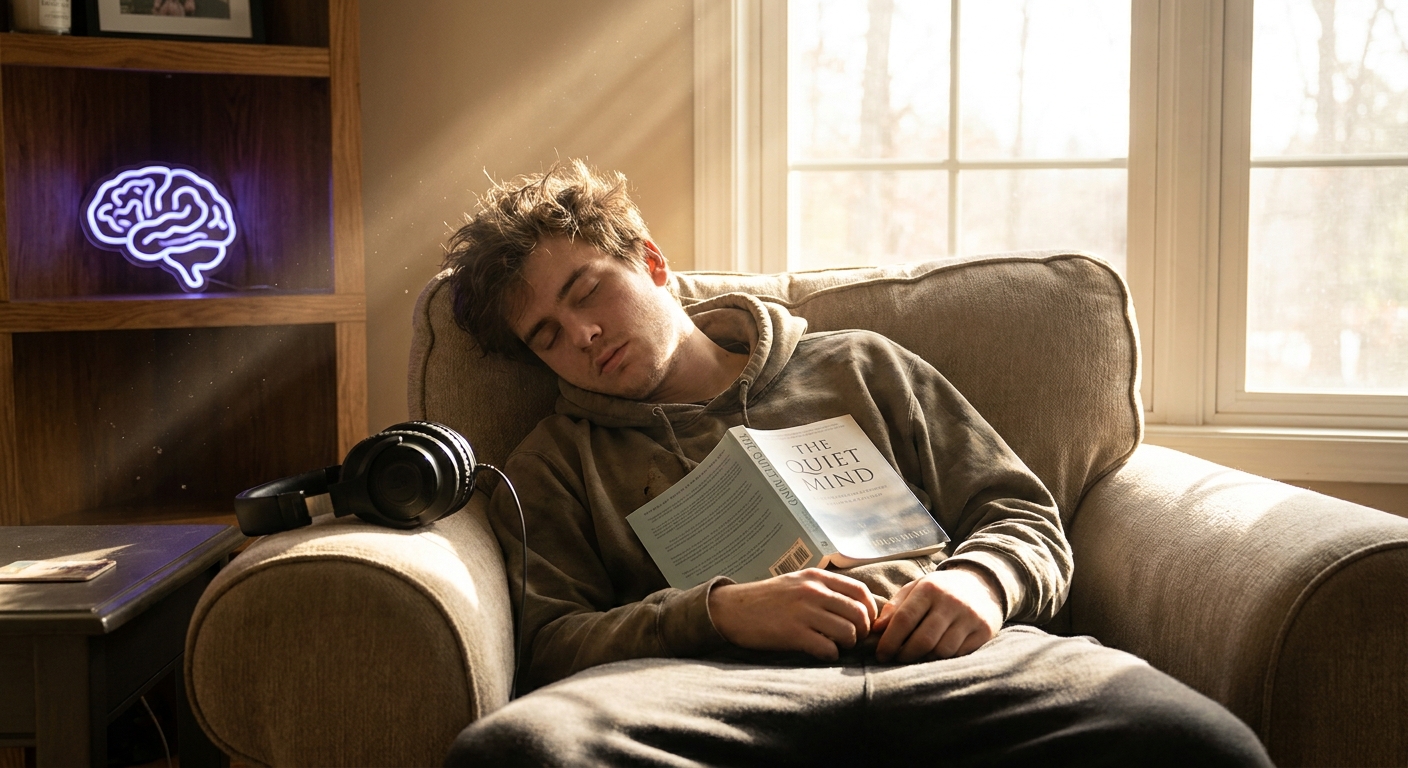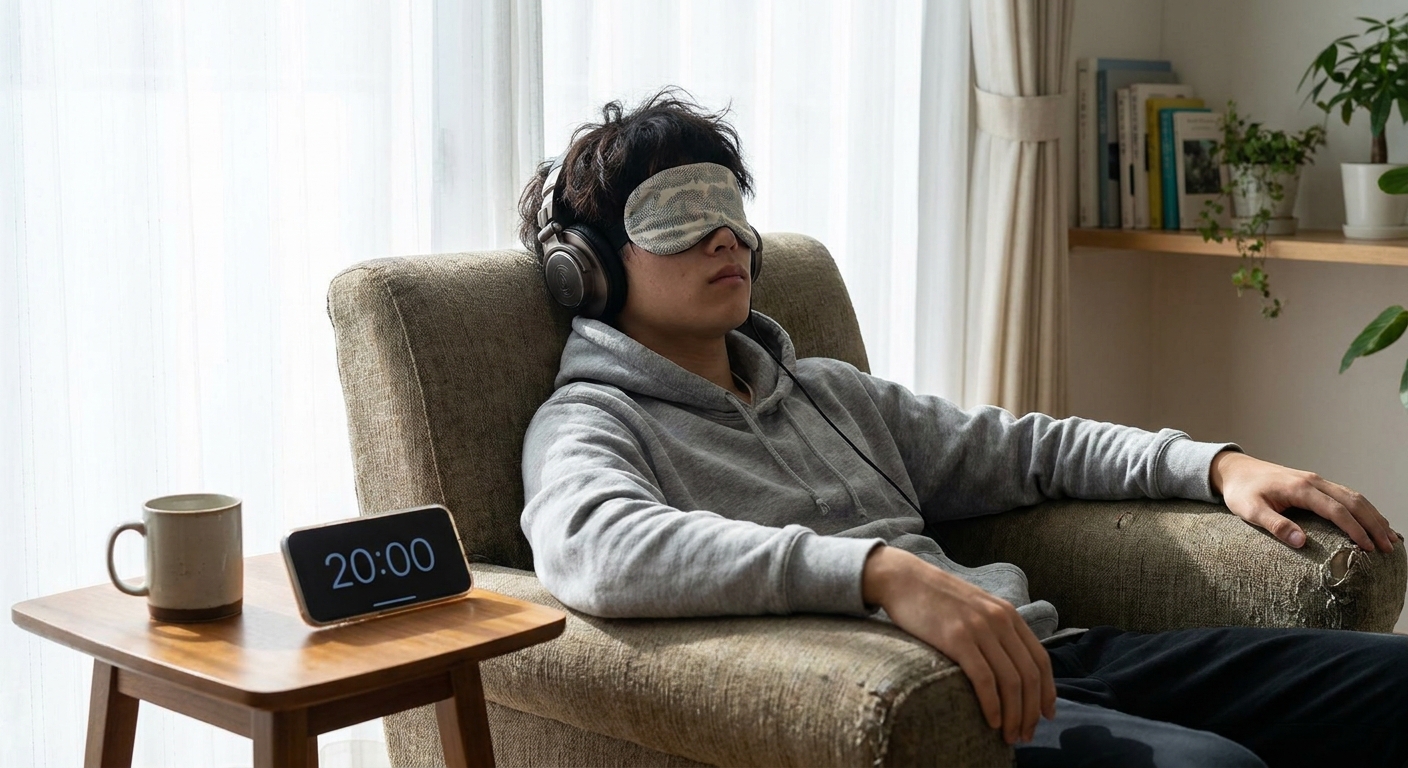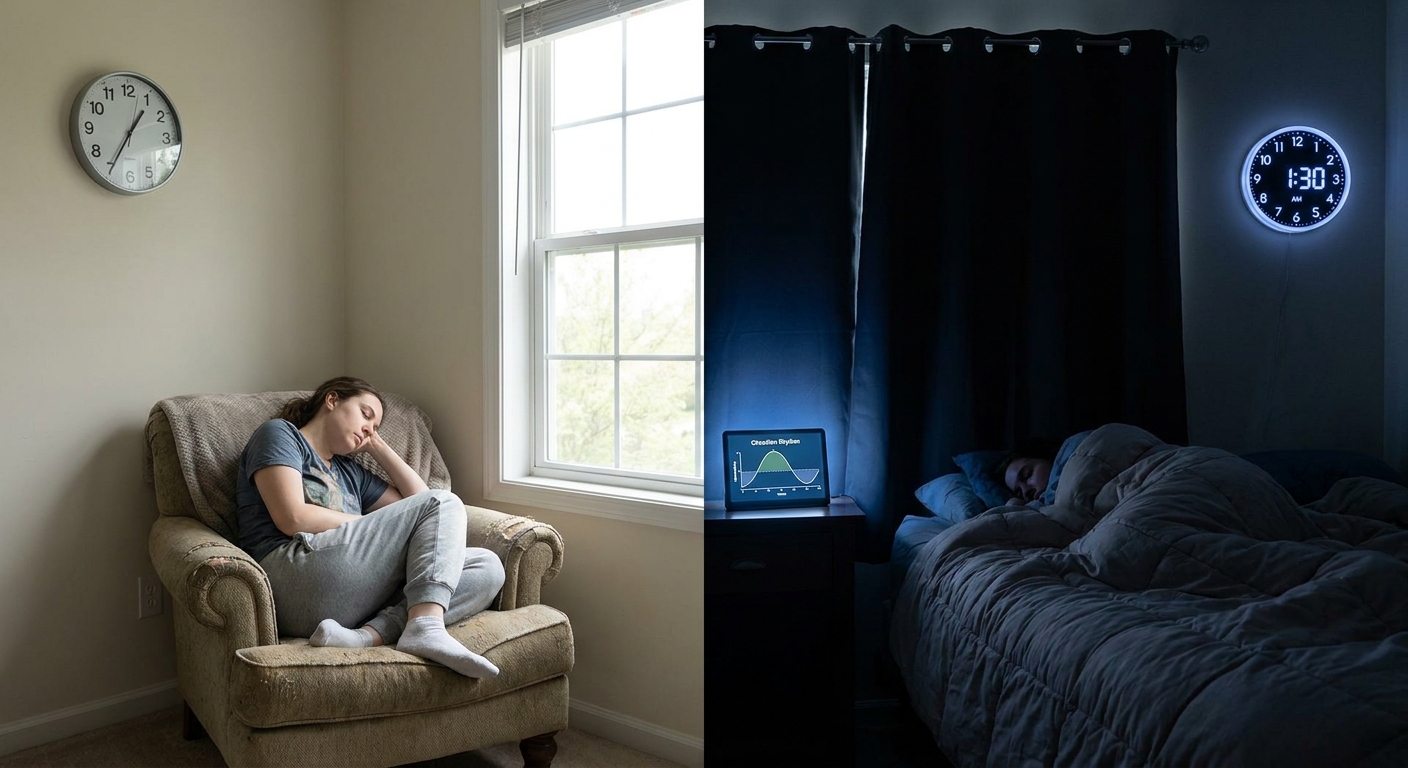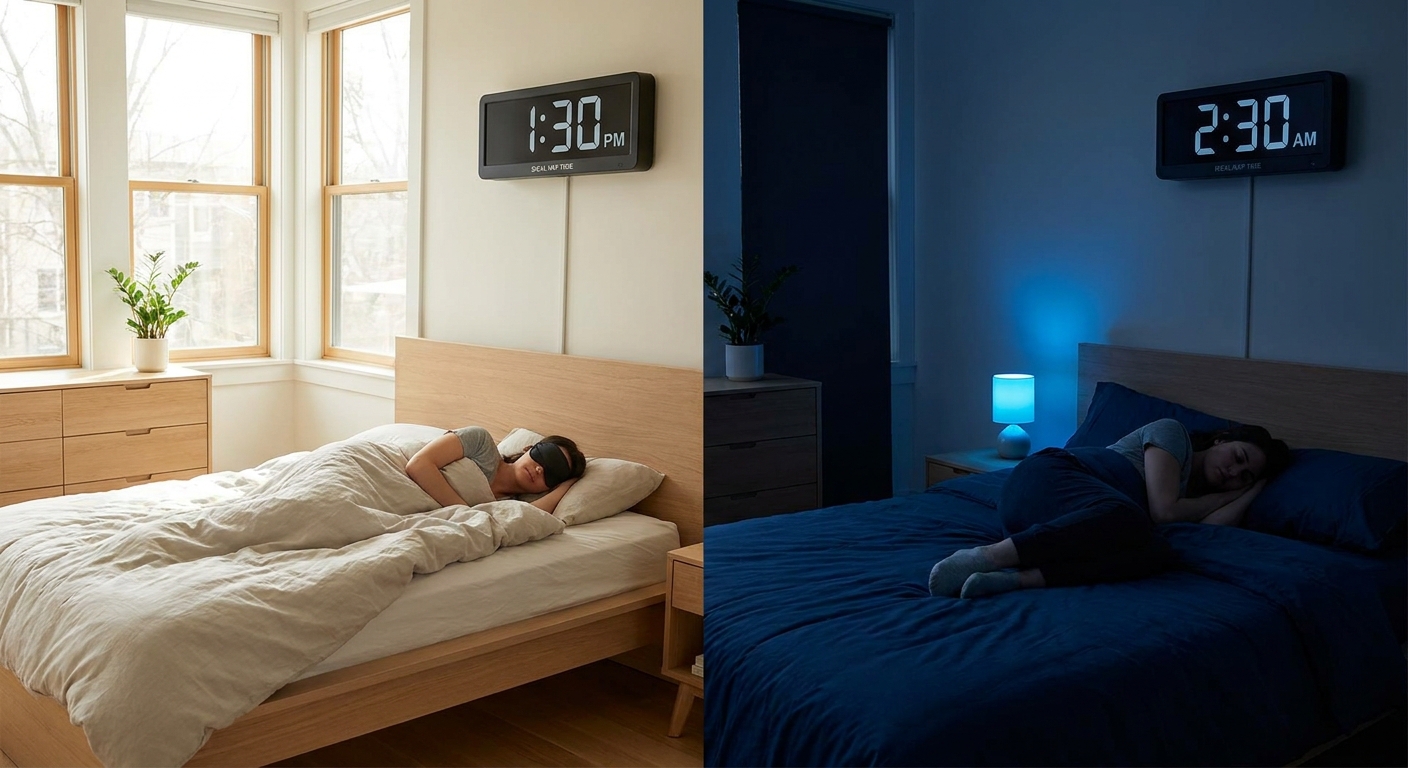
Inside your brain, a tiny cluster of cells—the suprachiasmatic nucleus—keeps time like a quiet lighthouse, guiding when you feel sleepy or alert. This internal rhythm shapes not only your nights but also how well you respond to daytime naps.
Your Inner Clock and the Art of the Daytime Doze
When you understand your chronotype—whether you lean early bird, night owl, or somewhere between—you can schedule naps that feel like gentle alignment rather than friction.
A Quick Look at Chronotypes
Chronotype reflects your preferred timing for sleep and wake, influenced by genetics, age, and environment.[^1]
- Morning types (larks): Naturally sleep and wake early; energy peaks earlier in the day.
- Intermediate types (hummingbirds): Fall in the middle; most of the population.
- Evening types (owls): Prefer later bedtimes and wake times; feel more alert in late afternoon and evening.
You can use formal questionnaires like the Munich Chronotype Questionnaire, or simply observe when you feel most awake and when you naturally get sleepy if there were no alarms or obligations.
How Chronotype Shapes Nap Timing
Everyone experiences a natural drop in alertness in the early afternoon, but the exact timing shifts by chronotype.[^2]
- Larks: Dip closer to midday (around 12:00–1:30 p.m.).
- Intermediates: Dip around 1:00–3:00 p.m..
- Owls: Dip later, around 2:00–4:00 p.m..
Napping inside your personal dip is like sailing with the tide—your body is more willing to let go.
Morning Larks: Protecting the Early Night
Typical Pattern
- Wake: 5:00–7:00 a.m.
- Peak energy: Morning.
- Sleepy: 9:00–11:00 p.m.
Nap Challenges
Larks accumulate sleep pressure earlier in the evening. A late or long nap can easily push their bedtime later and fragment sleep.
Best Nap Strategy for Larks
- Ideal window: 11:30 a.m.–2:00 p.m.
- Length: 10–20 minutes on most days.
- Environment: Use strong light blocking—midday sun can be intense.
A sample lark routine:
- Finish lunch.
- Dim lights, use eye mask, lie down.
- Set a 20–25 minute alarm (including 5 minutes to fall asleep).
- Wake, open curtains, walk for 3–5 minutes in daylight.
Occasional 60–90 minute naps can help after unusually short nights, but keep them earlier (before 1:30 p.m.) and monitor how they affect bedtime.
Intermediate Types: The Flexible Reboot
Typical Pattern
- Wake: 6:30–8:30 a.m.
- Peak energy: Late morning to mid-afternoon.
- Sleepy: 10:30 p.m.–12:00 a.m.
Nap Opportunities
Intermediates can often adapt both to short and long naps, provided they’re timed thoughtfully.
Best Nap Strategy for Intermediates
- Ideal window: 1:00–3:00 p.m.
- Length: 15–25 minutes on regular days.
- Occasional long naps: 60–90 minutes on high-demand days, staying before 3:00 p.m.
A sample intermediate routine:
- Notice the first wave of afternoon fatigue.
- Take a 15–20 minute nap in a dim, quiet room.
- Use white noise or a fan to smooth background sounds.
- After waking, expose yourself to light and do 2–3 minutes of gentle stretching.
Track your sleep for a week—if you find it harder to sleep at your usual bedtime, shift to shorter naps or move them earlier by 30 minutes.
Night Owls: Napping Without Drifting Later
Typical Pattern
- Wake: 8:30–10:30 a.m. (or later if given the chance).
- Peak energy: Late afternoon and evening.
- Sleepy: After midnight.
Nap Pitfalls
Owls often feel fatigue build in late afternoon or early evening and may be tempted to nap then. But naps after 5:00 p.m. can push their sleep later, cementing an already delayed rhythm.
Best Nap Strategy for Owls
- Ideal window: 2:00–4:00 p.m.
- Length: 10–20 minutes.
- Environment: Dark enough to sleep, but ensure bright light exposure after napping.
A sample owl routine:
- Set a regular nap opportunity at ~3:00 p.m. on demanding days.
- Keep a nap kit: eye mask, earplugs, small pillow.
- Set a 20–25 minute alarm.
- Upon waking, spend at least 10 minutes in strong light, ideally outdoors.
If you’re trying to shift earlier (for work or school), keep naps consistent and short; pair them with morning bright light to gradually move your clock.
Shared Science: What Naps Do for All Chronotypes
Despite differences in timing, naps offer similar core benefits across chronotypes:
- Improved alertness and reaction time after short naps.[^3]
- Better memory consolidation, especially for tasks learned earlier that day.[^4]
- Reduced stress markers like norepinephrine after naps during sleep restriction.[^5]
These effects arise from the brain’s chance to reset neural networks and process information offline—even during brief light sleep.
Bedroom Adjustments for Chronotype‑Friendly Naps
Light Control
- Larks: Midday glare can hinder sleep—use blackout curtains, eye mask.
- Intermediates: Moderate dimming may suffice; avoid bright overhead lights.
- Owls: Darken for the nap, but commit to bright light afterward to prevent sliding toward night-mode.
Noise Management
- Use white noise or a fan to create predictable sound.
- If you share a home, consider a small sign: "Napping until 2:15—will be right back." Clear communication reduces interruptions.
Comfort Cues
- Keep a dedicated nap pillow or throw blanket to cue your body.
- Maintain a tidy area near the bed; visual clutter can subtly increase mental chatter.
Chronotype‑Specific Troubleshooting
If You’re a Lark Who Wakes Groggy from Naps
- Shorten your nap from 20 to 10–15 minutes.
- Move it earlier by 30 minutes.
- Try a "coffee nap": drink a small coffee, then nap 15 minutes—caffeine peaks as you wake, reducing inertia.[^6]
If You’re an Intermediate Type Who Can’t Fall Asleep
- Start with a rest-only window: lie down in a dark room for 15 minutes with no pressure to sleep.
- Avoid intense caffeine within 4 hours of your planned nap.[^7]
- Add a 2–3 minute breathing or relaxation exercise as a pre-nap ritual.
If You’re an Owl Who’s Wide Awake at Night
- Cap naps at 20 minutes and keep them before 4:00 p.m.
- Increase morning light exposure: open curtains upon waking, consider a light box in darker months.
- Keep a consistent wake time, even if sleep was short; use a short nap to cope rather than sleeping in.
When to Seek Extra Support
If you:
- Need long, daily naps just to function.
- Experience loud snoring, gasping at night, or extreme daytime sleepiness.
- Still feel exhausted despite 7–9 hours of sleep and occasional naps.
…it may be time to speak with a healthcare professional. Conditions like sleep apnea, narcolepsy, depression, or chronic insomnia may be involved, and targeted treatment can help.
A Gentle Closing Thought
Your chronotype isn’t a flaw to correct; it’s a tempo to recognize. Once you know whether your days are written in the key of dawn, noon, or dusk, you can place your naps like careful rests on the page—brief silences that make the music of your waking hours more vibrant.
As you experiment, treat yourself like a researcher and a cherished friend: curious, observant, and kind. With time, your naps will start to feel less like stolen minutes and more like intentional, nourishing pauses in the rhythm of your day.
[^1]: Roenneberg, T. et al. (2007). Epidemiology of the human circadian clock. Sleep Medicine Reviews, 11(6), 429–438.
[^2]: Lack, L. C., & Bailey, M. (1994). Post-lunch dip in performance: Circadian rhythmicity and sleepiness. Sleep Research, 23, 131.
[^3]: Brooks, A., & Lack, L. (2006). A brief afternoon nap following nocturnal sleep restriction: Which nap duration is most recuperative? Sleep, 29(6), 831–840.
[^4]: Mednick, S. C. et al. (2003). Sleep-dependent learning: A nap is as good as a night. Nature Neuroscience, 6(7), 697–698.
[^5]: Faraut, B. et al. (2011). Napping reverses changes in interleukin-6 and norepinephrine induced by sleep restriction. Journal of Clinical Endocrinology & Metabolism, 96(3), E614–E618.
[^6]: Hayashi, M., Watanabe, M., & Hori, T. (2003). The effects of a 20-min nap in the mid-afternoon on mood, performance and EEG activity. Clinical Neurophysiology, 114(12), 2268–2278.
[^7]: Drake, C. et al. (2013). Caffeine effects on sleep taken 0, 3, or 6 hours before going to bed. Journal of Clinical Sleep Medicine, 9(11), 1195–1200.